
Fits
A fashion social media app on iOS.
- Role
- Co-founder and CTO
- Year
- May 2023 to February 2025
- Platform
- iOS
- Status
- Sunset
- Stack
- Swift · UIKit · Go · PostgreSQL · pgvector · Redis · Next.js · AWS
Drag for more · click a screen to open it
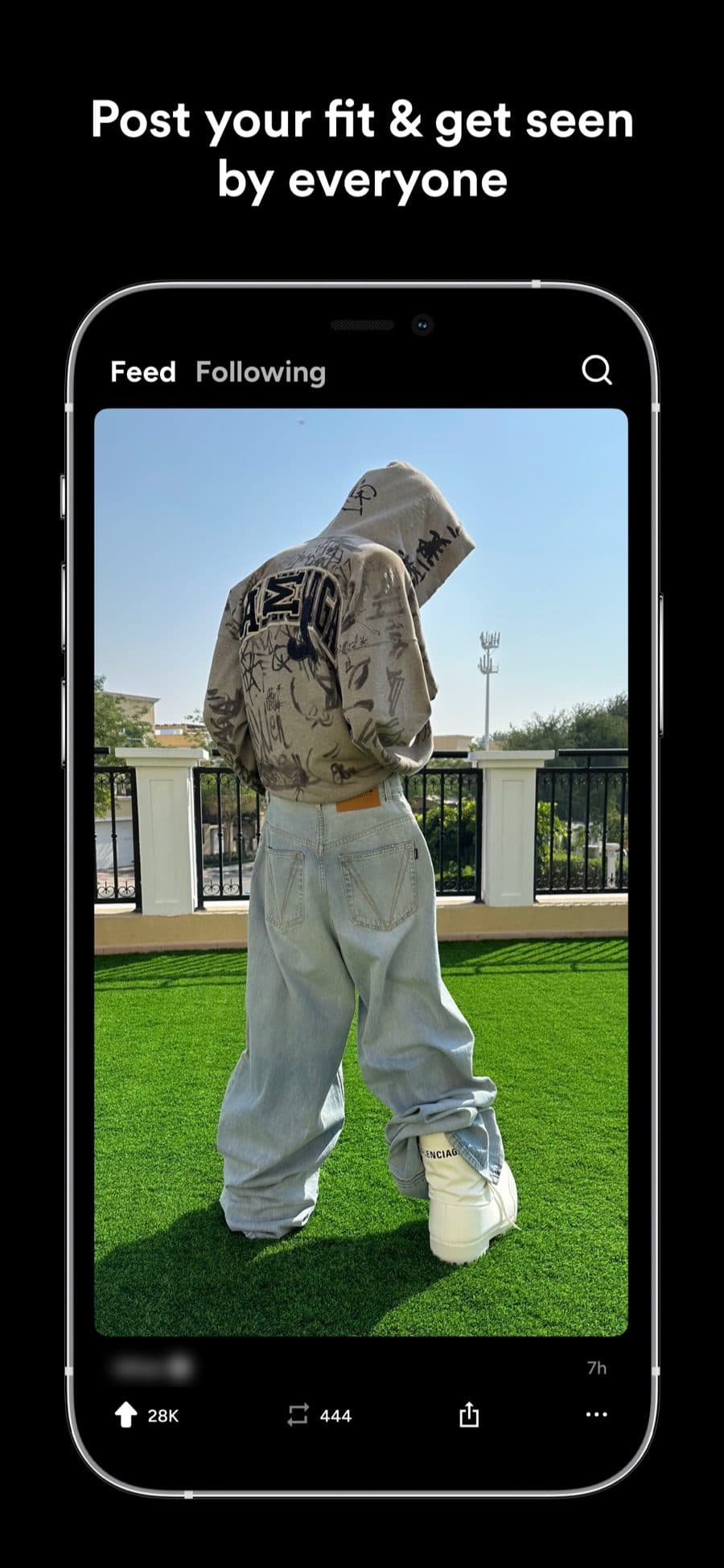
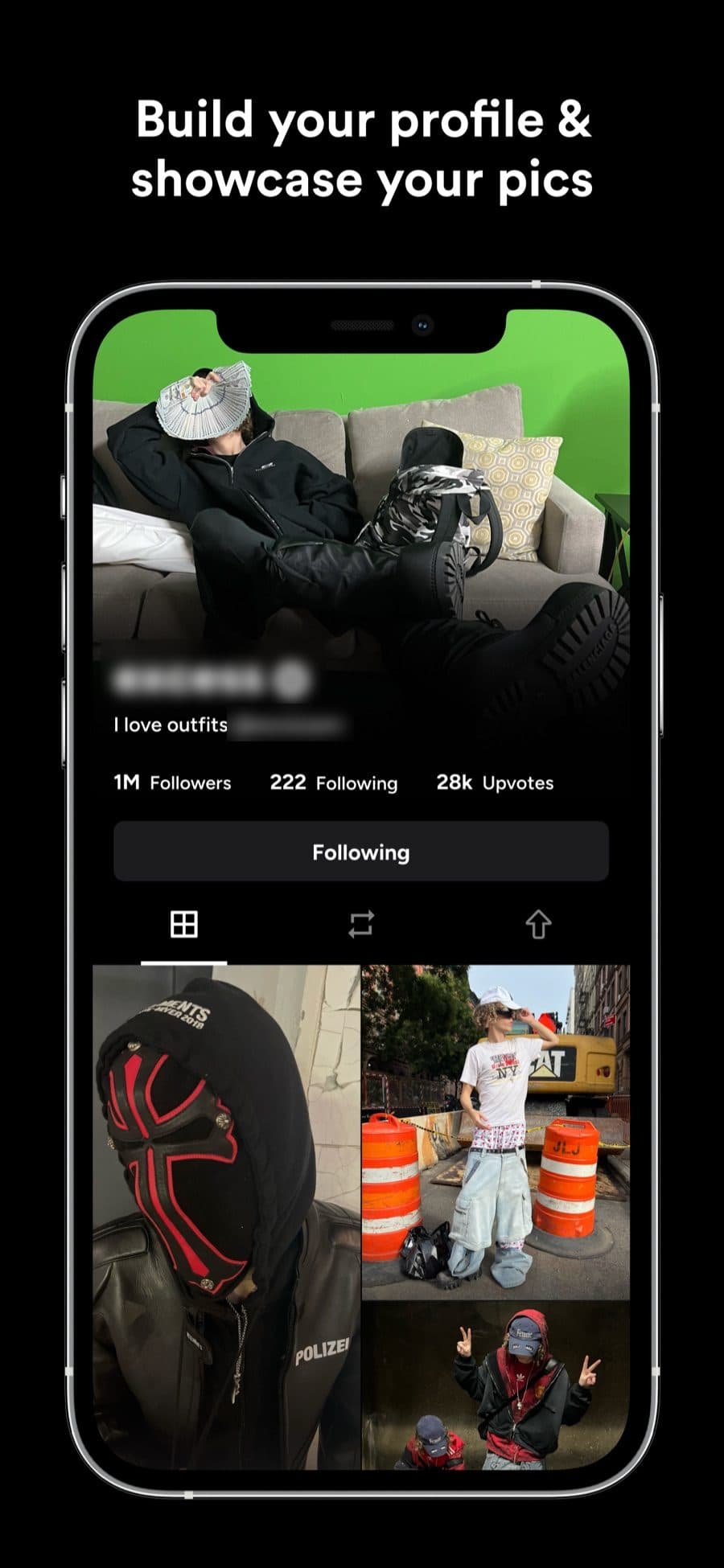
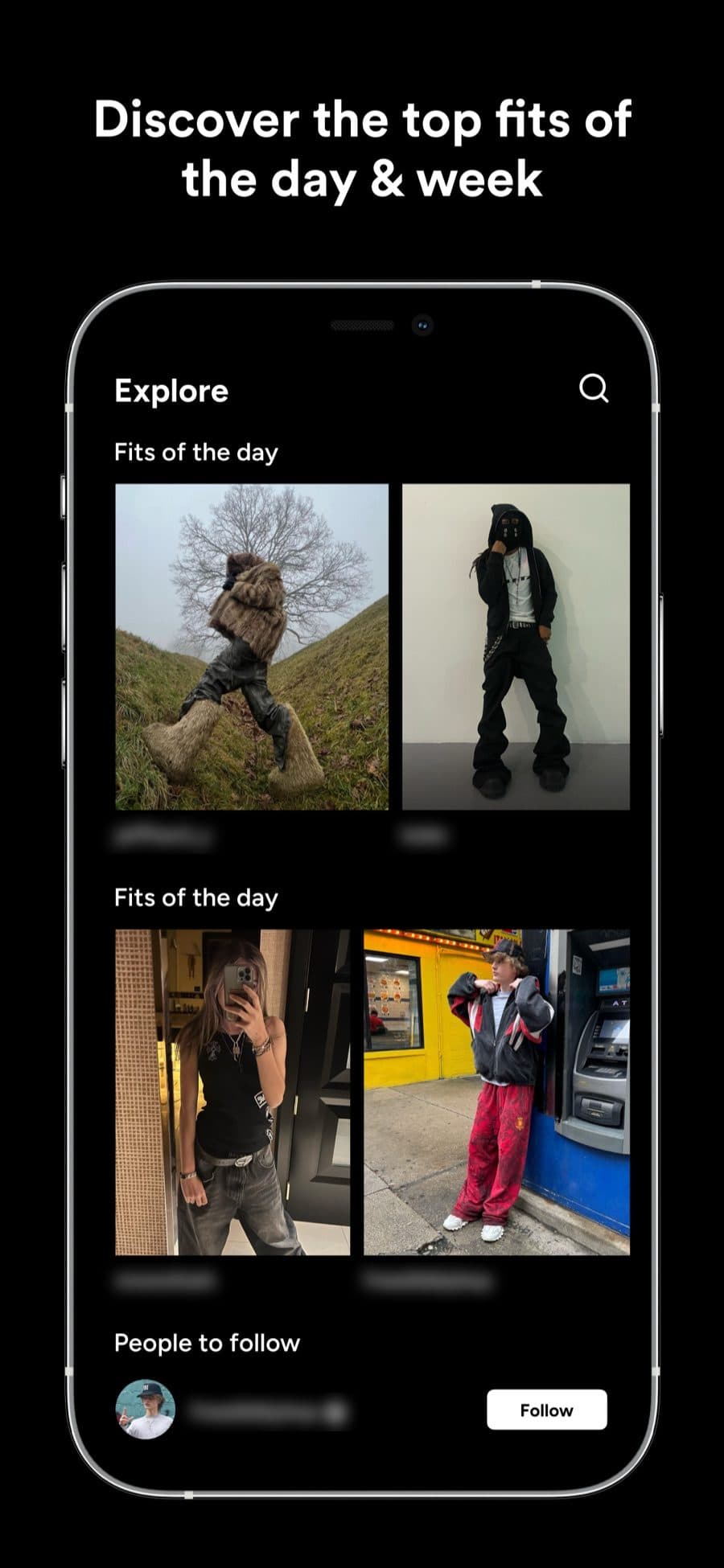
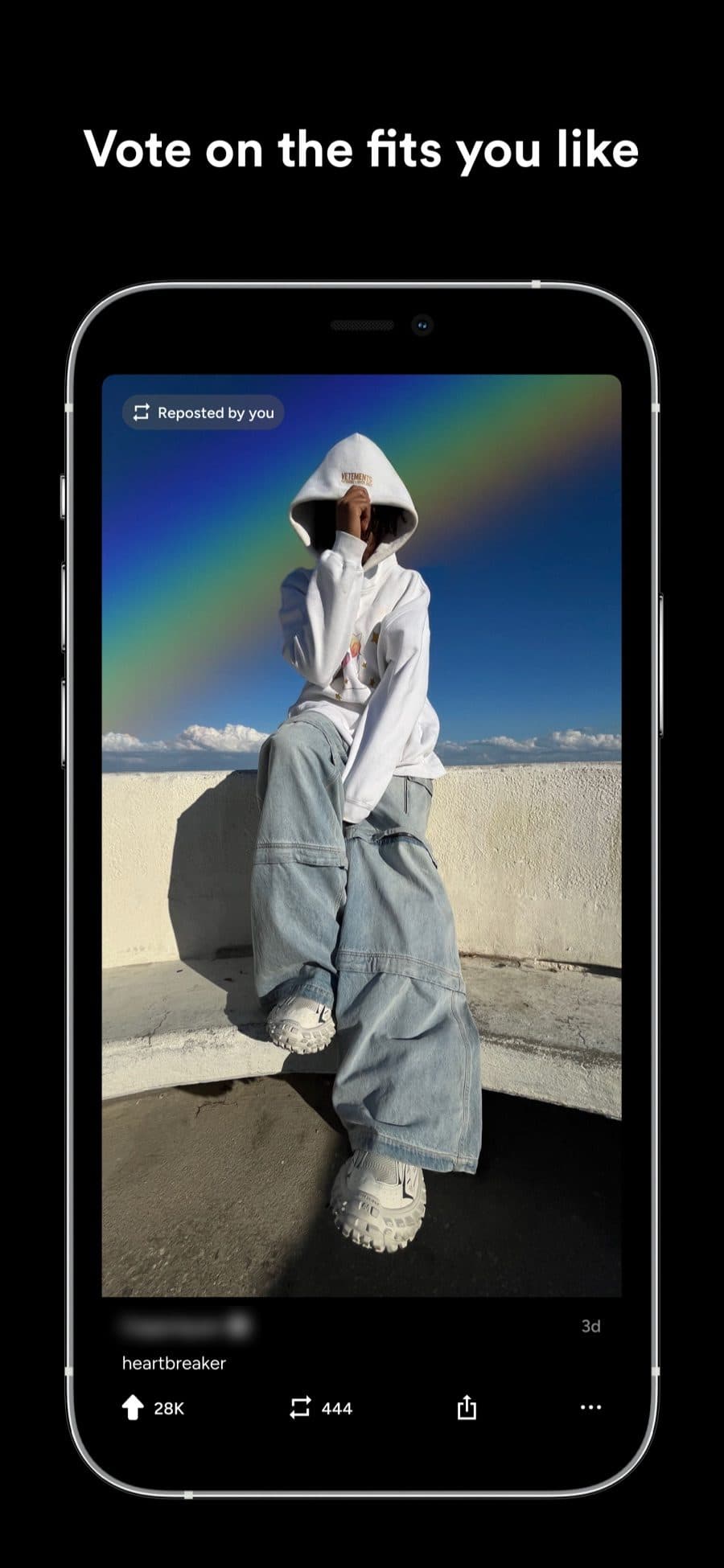
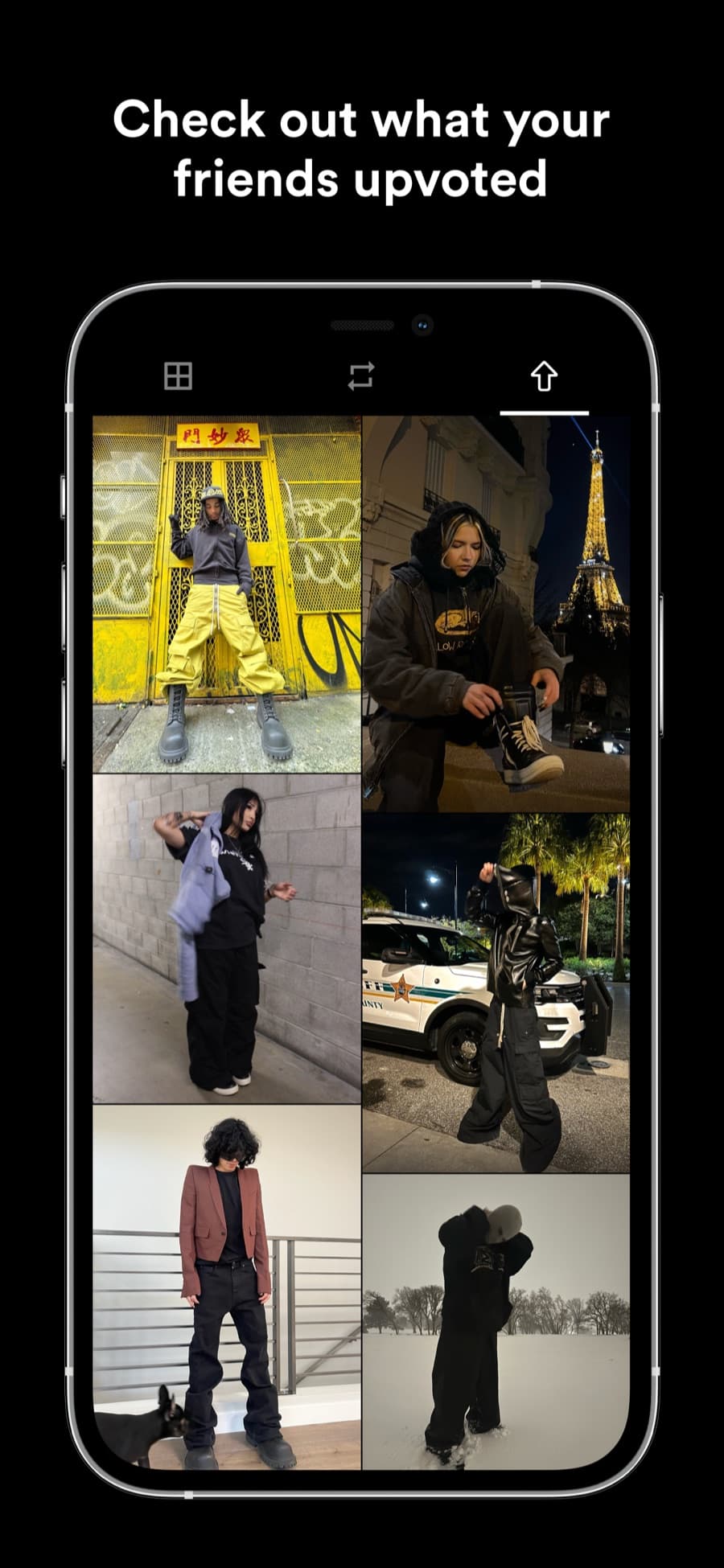
Fits was a social network for outfits. People posted what they were wearing, upvoted each other, and followed people whose style they liked. There were two feeds, everyone and the people you followed, and posts could be reposted to your profile. It ran from 2023 to early 2025 and reached around 11,000 registered users.
I co-founded it and was the only engineer, so the work moved between the iOS app, the API, and whatever the product needed next.
01Building the whole product
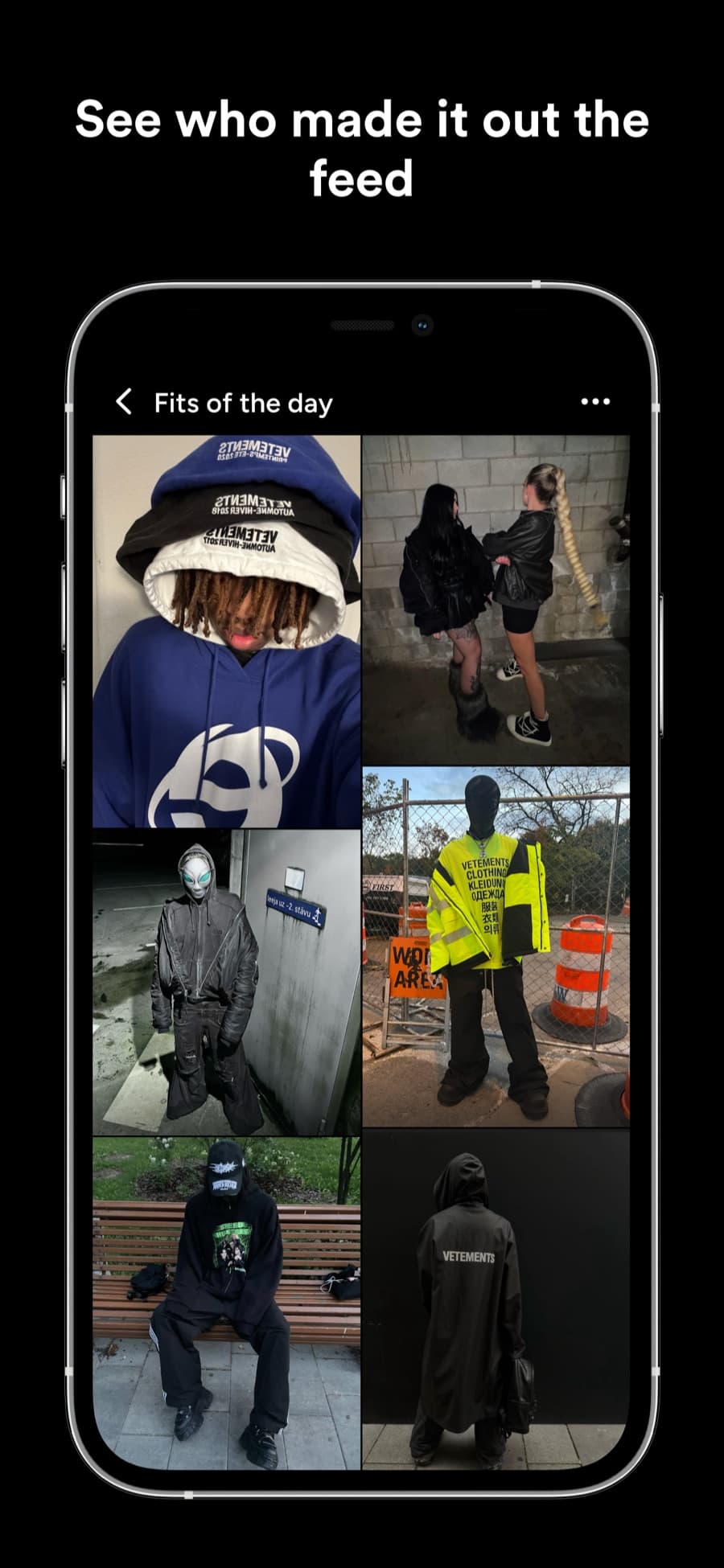
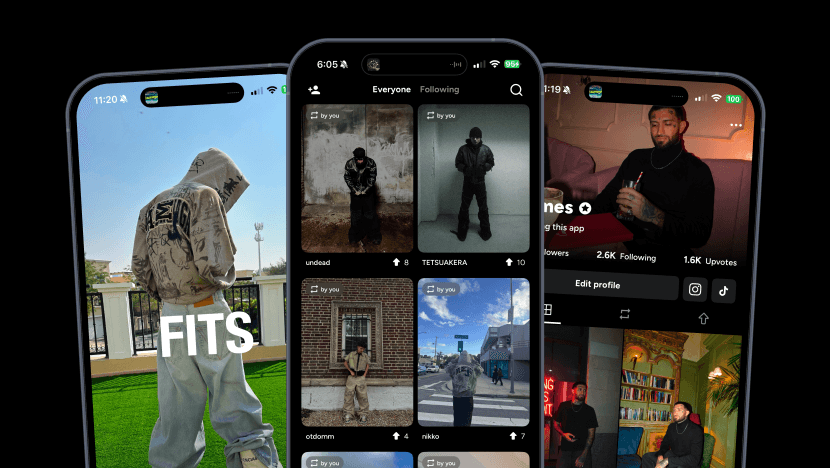
The app was Swift and UIKit: a photo feed of outfits in two columns, profiles, posting, following, upvotes and notifications.
Behind it, a Go API on PostgreSQL, with per-endpoint rate limiting in Redis. It covered the usual surface: accounts and auth, posts and media, feeds, follows, upvotes, search, notifications, reporting.
A Next.js companion rendered profiles and posts as real web pages, with link previews generated per post, so a Fits link shared in a group chat opened into the actual outfit instead of a redirect to the App Store.
Moderation was part of it too: reports, blocks, takedowns, and the account states that go with them.
02Finding similar outfits
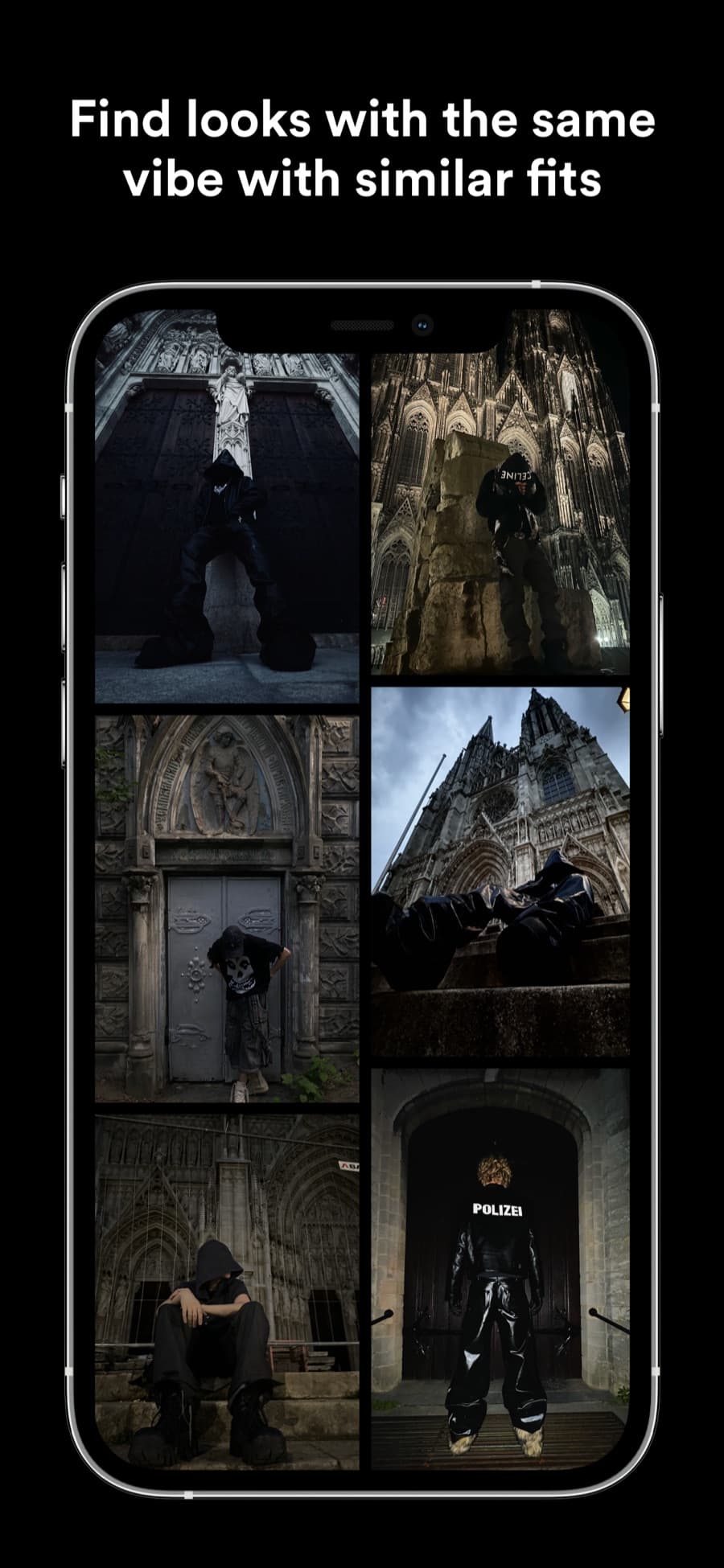
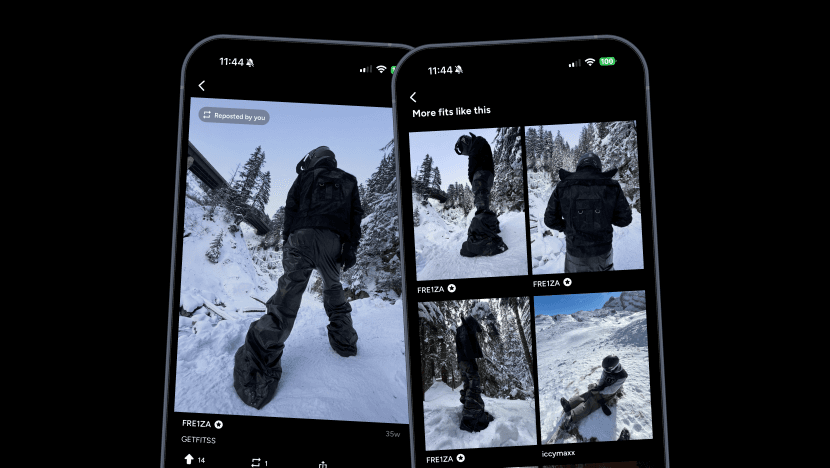
One of the features I wanted was a way to find more outfits like the one you were already looking at.
I shipped that in 2024 on pgvector. Each post carries a 512-dimensional vector, and finding similar posts is a nearest-neighbour query ordered by distance.
Because similarity search lived in Postgres, block and moderation rules could be applied inside the same query, so a post from someone you have blocked never entered the candidate set.
03Running it
Fits ran in separate staging and production environments. GitHub Actions built Docker images into ECR, migrations shipped inside the image, and the database suite ran on every push.
With no other engineers on the team, staging gave me somewhere to catch problems before they reached production.